
Top stories in Nova Scotia

UPDATED: Friday collision in Big Pond sends six to hospital, some life-threatening
Updated 7 hours ago
|2 min read

A multimillion-dollar question: Should the lobster carapace size be increased in southwestern Nova Scotia?
Updated 11 hours ago
|9 min read

N.S. justice minister apologizes for saying domestic violence isn’t epidemic
Updated a day ago
|3 min read
Suspicious commercial building fire in Digby County sparks RCMP investigation
Updated 12 hours ago
|2 min read
A guide to Earth Day weekend in Halifax
Updated 14 hours ago
|5 min read
Local
More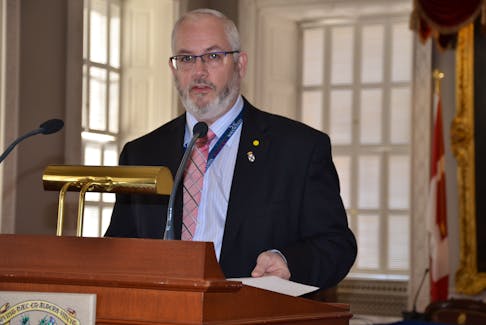
Advocacy groups speak out against N.S. justice minister’s dismissal of gender-based violence
Updated 9 hours ago
|3 min read

Nova Scotia pauses immigration processing for restaurant and hotel workers
Updated 9 hours ago
|4 min read

'I’m excited to keep the ball rolling': Marco MacLeod representing PC Party in Pictou West by-election
Updated 11 hours ago
|3 min read
‘It’ll be a huge change to the community’: Residents pour out to voice opposition to proposed Bear Head Energy wind project
Updated 10 hours ago
|9 min read
Suspicious commercial building fire in Digby County sparks RCMP investigation
Updated 12 hours ago
|2 min read
Opinion
More
DAVID DELANEY: Feeling unwelcome in public buildings
Updated 12 hours ago
|4 min read

JOHN DeMONT: We have met the enemy and they are us
Updated 13 hours ago
|5 min read
LETTER: St. John's building a safer community by empowering individuals
Updated 14 hours ago
|3 min read
COVID VIGNETTE: A mysterious cancer resurgence
Updated 15 hours ago
|4 min read
COMMENTARY: Nova Scotians still face longest health-care wait times in Canada
Updated 15 hours ago
|3 min read
Business
More
New Compass rum enters the market smoothly
Compass Distiller’s first batch of its new Hell Isle rum went out the door so quickly that head distiller Miranda Parker had to take a break from bottling the second batch to talk about it.
“This product is launching directly through the NSLC, which ...
Updated 10 hours ago
|3 min read
A multimillion-dollar question: Should the lobster carapace size be increased in southwestern Nova Scotia?
Updated 11 hours ago
|9 min read
Cape Breton company moving offshore wind parts internationally from Sydney
Updated 11 hours ago
|8 min read

THE WRAP: $100 million in soda, streamlined shellfish, and only the poor change eating habits
Updated 17 hours ago
|6 min read
MEET THE MAKERS - Focusing on crafts: Crocheting, sewing and sign making also part of creative process for photographer
Updated a day ago
|6 min read
X vows to 'robustly challenge' Australia order to remove stabbing posts
Updated 23 minutes ago
|2 min read
Lifestyles
More
Daily horoscope for Apr. 20, 2024
IF TODAY IS YOUR BIRTHDAY:
ARIES (March 21 to April 19)
You might receive some kind of financial bonus or see a noticeable improvement in your finances soon.
TAURUS (April 20 to May 20)
You may finally find the courage you need to go after something ...
Updated 6 hours ago
|2 min read
Is workwear hot fashion? Not according to these Halifax construction workers
Updated 9 hours ago
|5 min read

Annapolis Valley, N.S., youth invited to 'share your passion' during 2024 Apple Blossom Festival
Updated 11 hours ago
|4 min read

Two Cape Breton music industry greats to be honoured at 2024 ECMAs
Updated 12 hours ago
|3 min read
Cape Breton Music Industry Hall of Fame to announce 2024 inductees next week
Updated 12 hours ago
|1 min read
AC/DC tribute band to perform in Pictou County
Updated 14 hours ago
|2 min read
Sports
More
Wanderers fall 2-0 to Vancouver FC, lose second straight to start CPL season in B.C.
Updated 14 hours ago
|5 min read


Antigonish Bulldogs win third straight NSJHL title in double overtime
Updated a day ago
|1 min read
Mooseheads fire head coach Jim Midgley and assistant coach Liam Heelis
Updated Apr. 16, 2024
|2 min read
BASKETBALL: St. F.X.'s Reddick, Thomas and Dal's Christie get pro opportunities
Updated Apr. 15, 2024
|4 min read
Communities
More
Black hockey trailblazer launching innovative program in Windsor, N.S.
Updated 11 hours ago
|8 min read

Annapolis Valley, N.S., youth invited to 'share your passion' during 2024 Apple Blossom Festival
Updated 11 hours ago
|4 min read
‘It’ll be a huge change to the community’: Residents pour out to voice opposition to proposed Bear Head Energy wind project
Updated 10 hours ago
|9 min read
Suspicious commercial building fire in Digby County sparks RCMP investigation
Updated 12 hours ago
|2 min read
A multimillion-dollar question: Should the lobster carapace size be increased in southwestern Nova Scotia?
Updated 11 hours ago
|9 min read
Canada
More
Breaking
Happy Valley-Goose Bay under state of emergency over spreading fire and explosion risks
Updated 4 hours ago
|1 min read

Tyler Greening pleads guilty in relation to attack on student at St. John's high school
Updated 8 hours ago
|3 min read

Total cost of 2021 cyberattack on N.L.’s health-care system still unknown
Updated 8 hours ago
|7 min read
Trial for C.B.S. lawyer Robert Regular continues into day 10
Updated 8 hours ago
|4 min read
World
More
Solomon Islands leader Sogavare keeps seat, vote count continues
Updated 2 hours ago
|2 min read

Solomon Islands leader Sogavare keeps seat, vote count continues
Updated 2 hours ago
|2 min read
Venezuela opposition backs Gonzalez as presidential candidate
Updated 1 hour ago
|2 min read
US Senate votes to reauthorize surveillance program
Updated 1 hour ago
|2 min read
Ecuador president declares state of emergency over energy crisis
Updated 4 hours ago
|1 min read
Recent Stories

Motor racing-Hamilton says he had forgotten what it's like to lead
Updated 13 minutes ago
|2 min read

Fighting flares at Myanmar-Thai border as rebels target stranded junta troops
Updated 23 minutes ago
|2 min read
X vows to 'robustly challenge' Australia order to remove stabbing posts
Updated 23 minutes ago
|2 min read
Daily horoscope for Apr. 20, 2024
Updated 6 hours ago
|2 min read
China's March germanium, gallium exports yet to recover year-ago level
Updated 43 minutes ago
|2 min read